FAQs About Garage Door Openers: What Every Homeowner Should Know

The garage door opener is a key component that allows you to open and close your garage door at your convenience. However, many homeowners aren’t fully aware of how this device operates or the best ways to maintain it. Learn everything you need to know about garage door openers to keep your system running smoothly and hassle-free.

Benefits of Garage Door Openers
With an automatic garage door opener, you have peace of mind knowing your home is secure and easier to access. Whether you’re pulling in after a long day or forgot to close your garage when you left for work, garage door openers help keep your garage and home protected and accessible.
Some of the top benefits of garage door openers include:
- Convenience: With an automatic door opener, you won’t have to get out of your car to open and close your garage, saving you time and effort.
- Safety: Modern garage door openers come with safety sensors that prevent the door from crashing down on people, objects, and pets.
- Security: Many openers feature rolling code technology, which changes the access code after every use to prevent break-ins.
- Low energy use: While they use electricity, garage door openers require little energy to operate, lowering the impact on your utility bills.
- Smart technology: Garage door openers are available with smart control features, including alarms, remote closing, and real-time monitoring.
Common Issues and Troubleshooting
Homeowners may run into several common issues when using a garage door opener. Thankfully, troubleshooting garage door opener problems is usually simple.
The Disconnect Switch is On
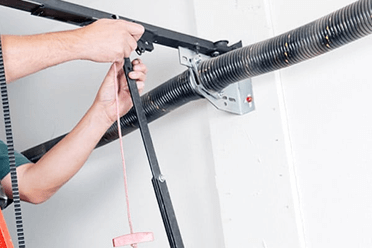
Every opener features a disconnect switch that allows you to manually open or close your garage door in case of a power outage or malfunction. Enabling this switch separates the garage door from the opener, preventing it from functioning. To fix this, simply reconnect the opener to the garage door by pulling the red emergency release cord toward the door and manually moving the door along the track.
Wiring Problems
Loose connections, wire damage, and shorts can stop the power flow to your garage door opener and prevent the safety sensors from working correctly. If you suspect a problem with the safety sensors, wiggling the power wire often resolves the issue.
The Door is Locked
If you accidentally engage the manual lock handle on your garage door, it won’t open or close using the opener. Look for a horizontal bar or slide lock inside your garage door and disengage it to reactivate automatic opening.
Malfunctioning Safety Sensors
If your garage door starts to close but then opens back up, there’s likely a problem with the safety sensors. Obstructions or misalignments stop the sensors from working correctly, keeping your garage door from fully closing. You can often fix this issue by checking the sensors for proper alignment, cleaning the lenses, and adjusting the travel limits.
A Faulty Remote
A faulty remote is one of the most common problems with garage door openers. Dead batteries, disrupted signals, and programming issues can prevent the remote from connecting with the opener. Start by replacing the batteries and making sure you’re within range. If it still doesn’t work, try reprogramming the remote using the manufacturer’s instructions.
Understanding Smart Garage Door Openers
With smart garage openers, you can check whether your door is open, shut, or somewhere in between, no matter where you are. These openers use a wireless connection and rail sensors to monitor the door’s position and send that information to an app on your phone. Whether on vacation, running errands, or at work, you can make sure your garage door is secure and operating correctly.
Smart garage door opener features include:
- Telling you the last time the door was open.
- Providing access history.
- Sending security alerts.
- Notifying you of errors.
Safety Features to Consider
When choosing a garage door opener, it’s important to find a system with safety integrations to protect your home. Some of the top garage door opener safety features to look for include:
- Auto-reverse function: The door reverses if there’s an obstruction.
- Manual release mechanism: You can open the garage door in case of a power outage or malfunction.
- Safety sensors: These sensors detect obstructions.
- Automatic locks: Get added security when you close the door.
- Security lights: Illuminate your garage when you activate the opener.
- Rolling code technology: Change the access code every time you open the door.
- Motion detectors: Turn on the security lights when there’s motion in your garage.
- Automatic closing: Set a timer for the door to close to prevent theft.
Maintenance Tips for Garage Door Openers
Maintaining your garage door opener is key to keeping it working correctly. Every year, schedule a professional inspection with a reputable garage door company near you. An expert will inspect the opener, springs, cables, rollers, and all other components to check for proper function and identify underlying issues. If they discover any problems, they’ll quickly repair them to keep your garage door rolling smoothly.
Along with professional service, you can also perform bi-annual maintenance checks at home. Every six months, test the opener’s safety features, lubricate moving parts, clean the tracks, and check that the sensors are aligned and functioning.

Contact Mesa Garage Doors Today
If you have questions about your garage door opener, you’re due for maintenance, or you’ve run into an issue that requires repair, the team at Mesa Garage Doors is here to help!
Our experts offer comprehensive repair, replacement, and maintenance services throughout Southern California. With over 500,000 satisfied customers and 35 years of experience, you can count on us to keep your garage door in top condition for years to come. Contact us to schedule a garage door service today.

Mr. Saunders serves as Mesa’s Vice President of Marketing, bringing with him a wealth of experience in strategic marketing and operations. In this role, Mr. Saunders is responsible for overseeing all marketing activities, utilizing a blend of traditional and digital strategies to enhance brand presence and profitability, managing a multi-million dollar marketing budget across various media platforms, and leading the continued implementation of CRM systems to streamline customer engagement and drive business growth.